


2026 International Conference on Sensors and their Applications was Successfully Held in Chengdu
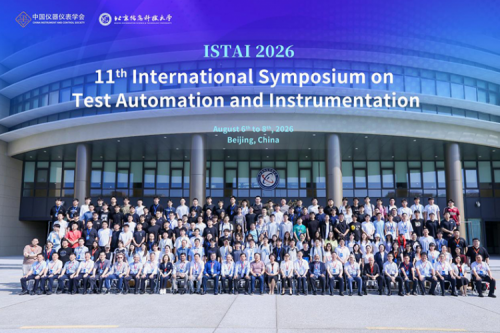
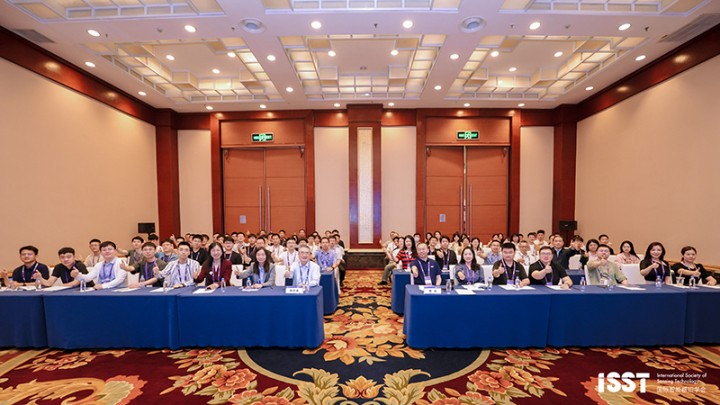
2026 International Conference on Sensors and their Applications was successfully held in Chengdu from May 22 to 24. The conference was co-hosted by the China Instrument and Control Society and the Institute of Measurement and Control (InstMC), with joint support from the University of Electronic Science and Technology of China, Xi'an Jiaotong University, Huazhong University of Science and Technology, and the University of Limerick, Ireland.
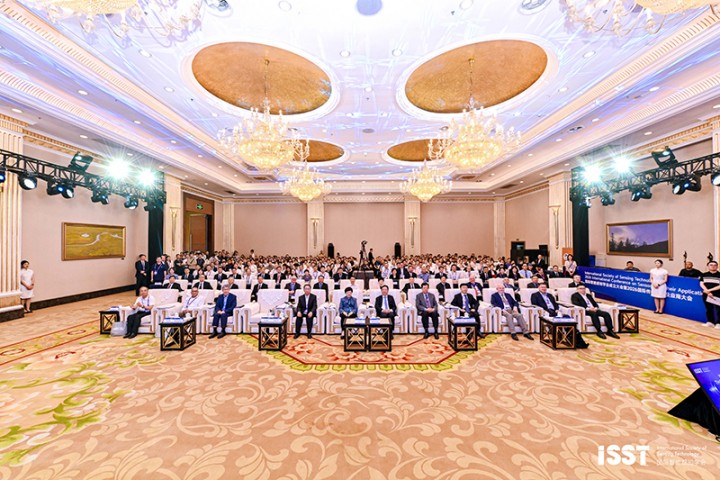
Under the theme "Empowering Innovation through Perception, Uniting for a Connected Intelligence World," the conference received 213 paper submissions from 14 countries and regions. Authors included experts in sensing technology, research leaders from overseas universities, and heads of corporate R&D departments. These participants not only presented the latest practical achievements in global sensing technology but also engaged in in-depth dialogue with their Chinese counterparts. The event successfully established a high-end platform for technological exchange between China and the rest of the world while consolidating core resources for deepening future global collaboration in the sensing field.
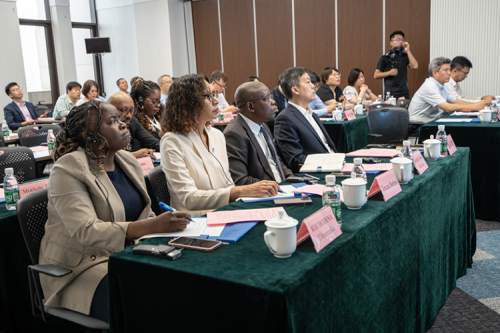
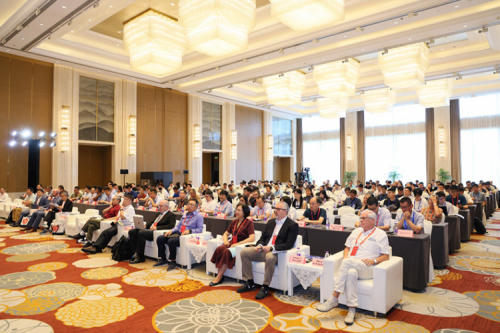
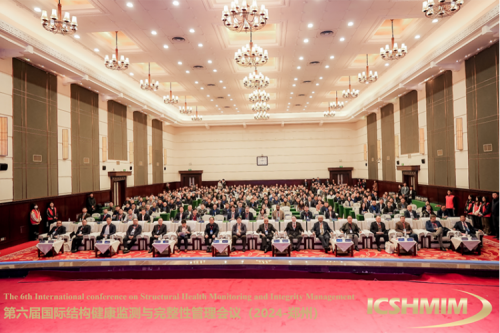
The conference brought together 483 leading academics and industry figures, including 50 international participants from abroad, creating a high-quality international exchange ecosystem. It facilitated in-depth discussions from a global scientific and technological perspective while fully demonstrating the China Instrument and Control Society's professional capabilities in organizing international conferences and integrating cross-border resources.
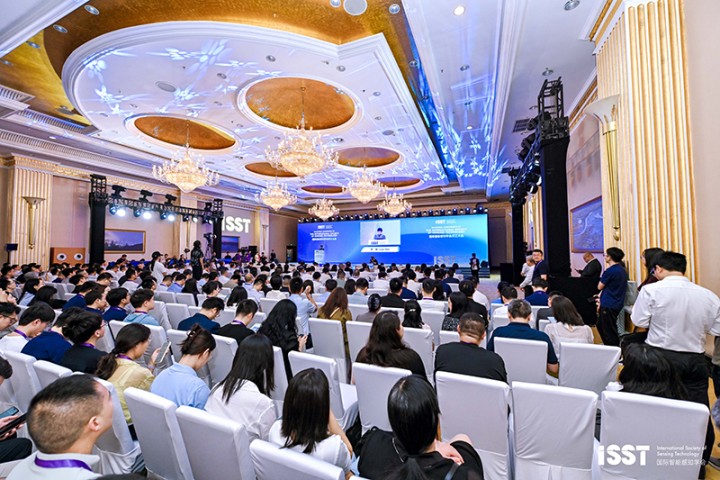
Mr. Jiang Sunan, former Deputy Director-General of the Department of Personnel at the Ministry of Science and Technology and former Science and Technology Counsellor at the Chinese Embassy in the UK; Professor Kenneth Grattan, Fellow of the Royal Academy of Engineering and recipient of the 2019 Chinese Government Friendship Award; Professor Lin Yuan, Dean of the School of Materials and Energy at the University of Electronic Science and Technology of China; and Deng Yio, Secretary-General of the Network Innovation and Development Alliance (NIDA), were invited to attend and deliver keynote speeches titled "China's Science, Technology and Innovation and International Cooperation," "Optical Fibre Sensors–meeting challenges for industry for the 2030s," Flexible Electronics for Bio-sensing and Non-pharmocological Stimulation Treatments," and "Evolution to the Next Generation Network," respectively.
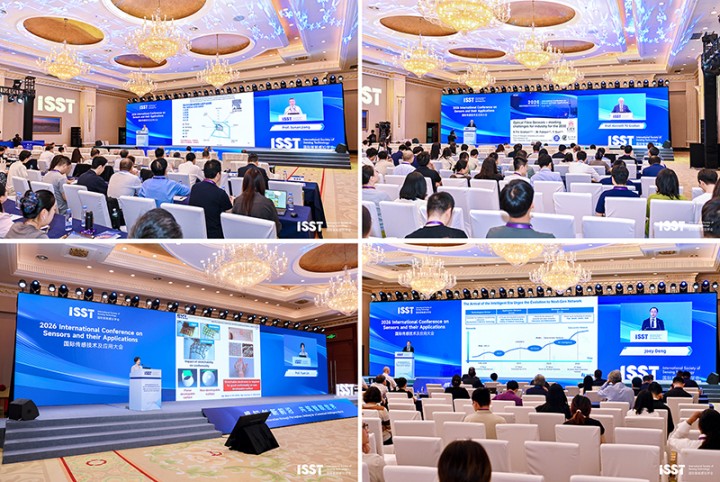
The conference featured 19 parallel sessions with 187 academic reports addressing hot topics including intelligent microsystems, sensor materials manufacturing and packaging, fiber optic sensing, signal processing and interaction in sensor networks, data processing and artificial intelligence, and wearable sensors and systems. Scholars from domestic and international universities and research institutes, as well as entrepreneurs in sensing technology and applications, shared cutting-edge scientific achievements and application cases in sensing technology.
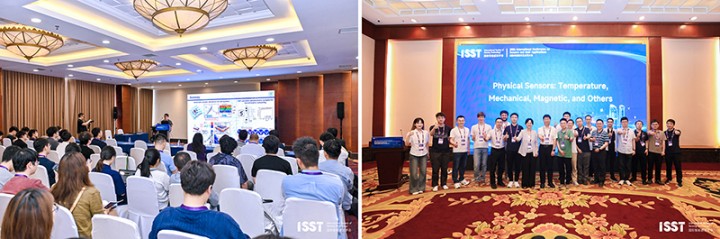
Concurrently, the conference hosted the Global Leadership Training for International Scientific Organization Talent and the Career Development Forum for Young Innovation Talent, providing young scientists and researchers with a platform for international scientific and cultural exchange. These events broadened academic horizons and channels for technology transfer cooperation, supported career development, and further encouraged Chinese scholars to participate in international scientific governance, enhancing China's voice and influence in the field of sensing technology.
The conference received strong support from multiple enterprises and universities, including Hanwei Electronic Group Corporation, Metrology Core, Wuhan HYEM Testing Equipment Co., Ltd., and the journal Intelligent Perception Engineering . The International Conference on Sensors and their Applications will serve as the flagship academic conference of the International Society of Sensing Technology (ISST), held biennially on a rotating basis between China and Europe. It will build platforms for international scientific exchange and write a new chapter in global collaboration on sensing technology.


